 By
By I have been considering this film series for a while and obviously I’m not talking about film as in movies but film as in analog format photos. A little over a year ago Keltin got a 120mm TLR camera for his birthday. This Rollicord camera was built in Germany in 1938 and still takes fantastic photos. More recently we traded his parents our Cannon Rebel for their 35mm Pentax K 1000 from 1979 (we think) and I have love using it.
There are a variety of types of film and I will dive more into that in another post. This is what we have learned while flying and trailing in general with film.
Domestic
- TSA will hand check the film if requested.
- Yes, you will be at the security checkpoint longer because it does take a bit for the hand check.
- In our experience, 120mm is left unopened if it is still in the factory sealed packaging.
- In our experience, 35mm film boxes and canisters are opened. The film was unexposed but no harm was done as this is the steps I would take before loading it in the camera.
- See the TSA film guidelines here.
International
- Spanish airport security had us run the film through the scanner. Yes, it was fine afterwards.
- Before getting onto the Spanish high speed rail we had to go through security. We accidentally ran it through the scanner. We were concerned but it was fine.
- German airport security had us run the film through the scanner. Yes, it was fine afterwards.
- Note: in both countries we did initially request a hand check.

Why Hand Check?
You might me wondering why people using film request that it be hand checked. This is because each film is set to a specific speed, the ISO, at certain points the x-ray and CT-type scanner machine degrades the sensitivity. The general consensus is that most x-ray machines will not harm film under 800ISO. A good rule that we use while flying with film is nothing more than 400ISO. This way if something happens like in Europe where they told us to run it through then we should be safe.
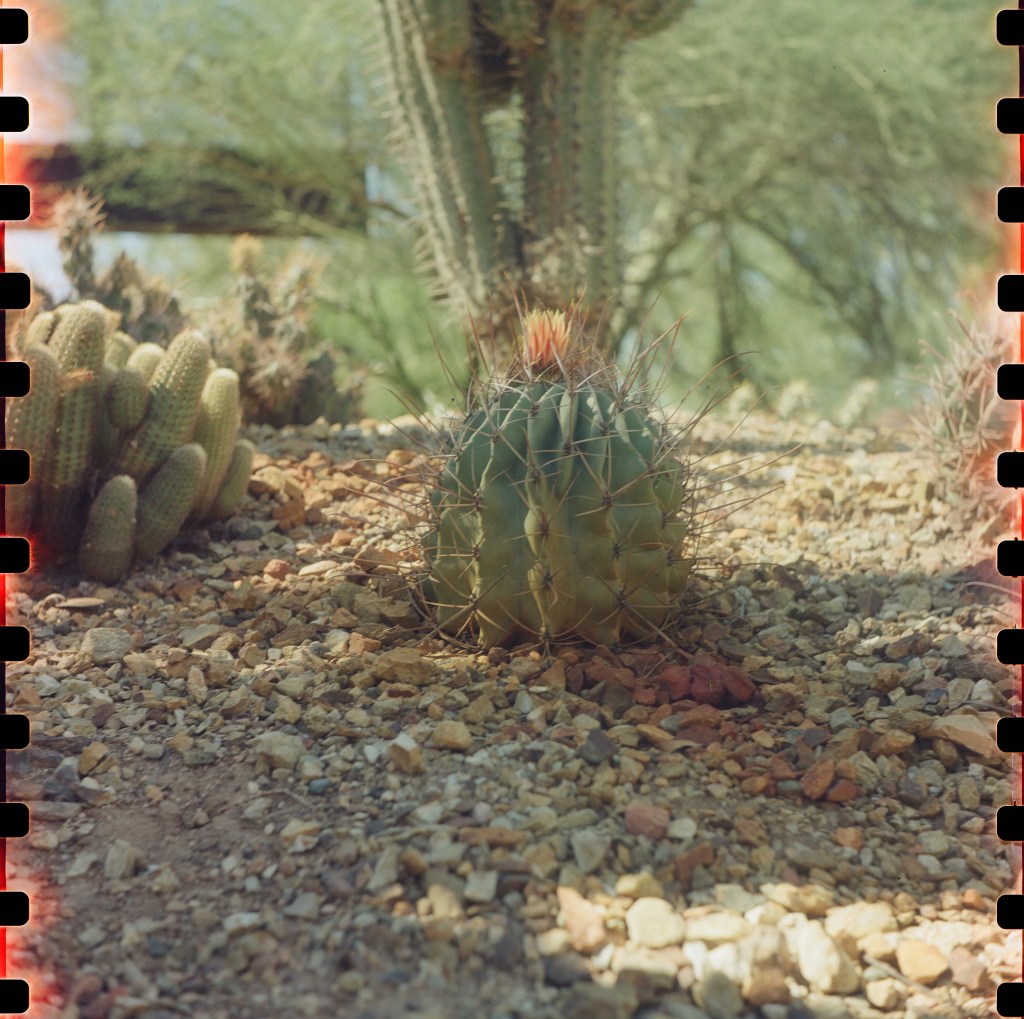
Note: The film that went through the scanners in Europe was a combination of unexposed (new) film and exposed (pictures taken) film. As you can see below, the photos developed beautifully.

How to Ask for a Hand Check
We put all of our film into a quart ziplock bag and hand it over for hand check when going through airport security. In most instances we are waiting by the time the film is checked. They will open the bag, swab and test the swab, possibly open boxes before sending us on our way.
Tips
- Use low ISO film, 800ISO or less incase the film does go through the scanner.
- Research and buy film once you get to your destination.
- Possibly drop your film off to be developed before leaving to return home.
- Film labs typically scan all film once developed and mail the negatives back.
- Don’t fly with film in your camera, expose all shots and unload the film before going through airport security.
As the film shop in Valencia told us after we when to ask about the dangers of film going through the scanners, don’t worry too much, the film probably went through some short of x-ray machine on its way to the film shop before getting to the photographer. If you do ever decide to take up film photography, I hope this helps. Do you use film? Let me know in the comments!
Thank you KW Photography for allowing me to use your wonderful photos!

INSTAGRAM│TWITTER│YOUTUBE │PATREON
If you like the banner check out this design and others at Canva!




 McGee Travel Tales
Years ago, before I switched to strictly digital, I had over 30 rolls of film hand-checked in Germany with no problems. I was fresh from a college photography class and quite the nervous Nellie but they were very accommodating. I only switched to all digital because development costs of rolls became so expensive and packing for long trips, especially international, was much simpler. I can’t remember the last time I saw a film camera!
LikeLiked by 1 person
Most of my husband’s carryon bag is camera gear. Film can be pricy and getting it developed can be expensive as well!
LikeLiked by 1 person
Agreed. When I was in Europe, schlepping all that heavy gear was a pain. Literally. Lugging around a camera and lens is bad enough but managing a jillion canisters as well just got to be too much. And with digital you know right away if your pic is good, rather than having to bracket multiple settings for one useable shot.
LikeLiked by 1 person
I remember using a camera and having to take it to get developed before digital and iPhones. I don’t think it was what you described, though.
LikeLiked by 1 person