 By
By I posted the first part of this story last week and it can be read here. But I wanted to talk a little bit about Amache after the people incarcerated there had left.

The buildings that were built in the 1940’s are no longer there. The buildings that have been added since Amache became a national historic site are reconstructions. The question is then, where did the buildings go? I went looking for them.
The short answer is, the buildings were sold off by the federal government as surplus and the land that they were on was sold to the Town of Granada. The structures were purchased by a variety of places, including the City of Johnson, Kansas. I do want to give a shout out to the wonderful ladies at the Stanton County Museum for all their help with research. The last detainees left Amache in October of 1945 and by November of 1946 the War Assets Administration was selling the building from Amache. In a November 28, 1946 copy of the Johnson Pioneer there is an article about three buildings being purchased from Granada for less than $1,000 a piece. In 2023, these same buildings would have cost about $15,000 each. These were some of the earliest purchases of the structures from Amache.
Something to note is that these particular buildings were not detainee barracks but officer quarters and had more amenities – like electricity. At the time they were turned into apartments to help resolve a housing shortage. As of December 2022, only one of the three buildings remains as apartments. The other two were purchased by the Faith Baptist Church and are currently church buildings. All three buildings remain intact. Other buildings from the Granada site were purchased by school districts such as Holly and Bristol among others.
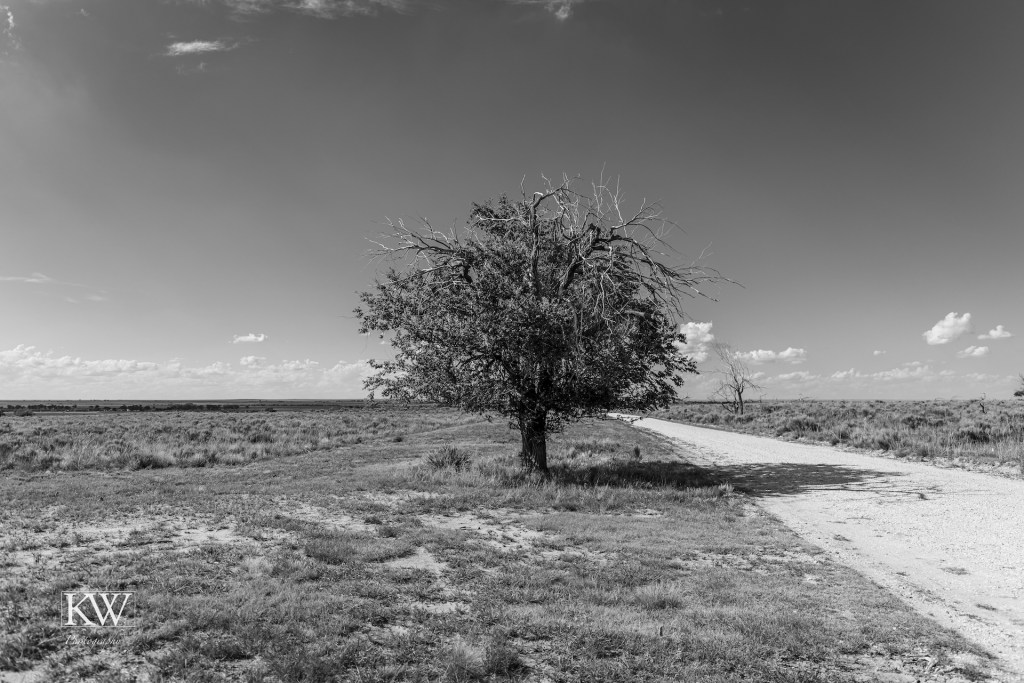
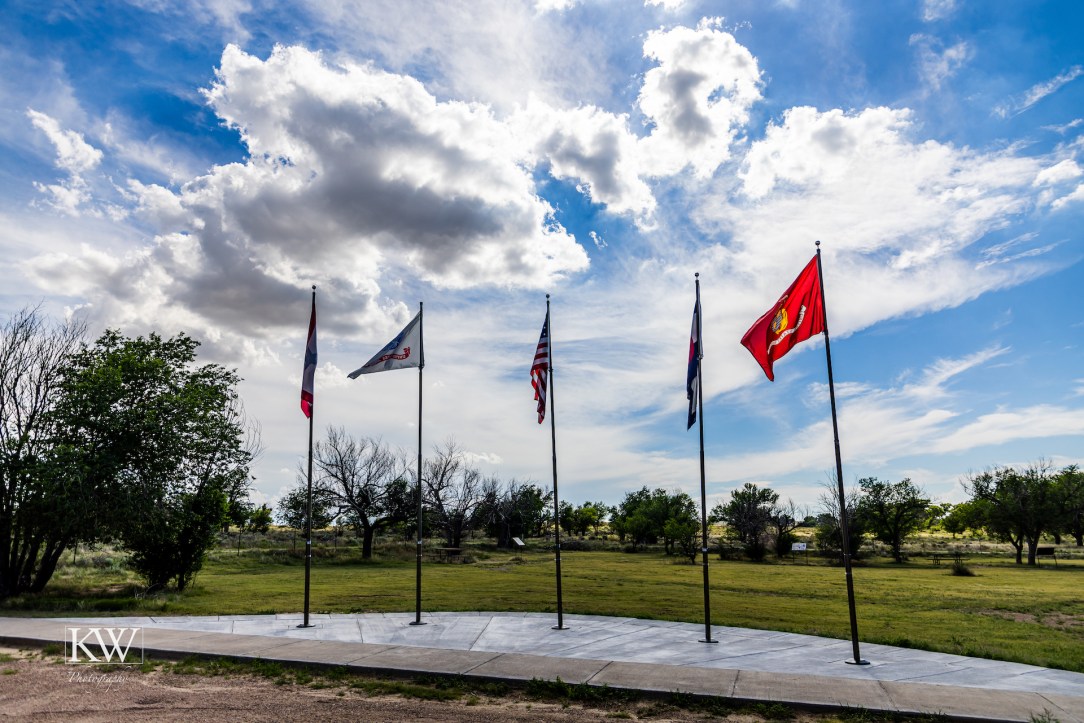
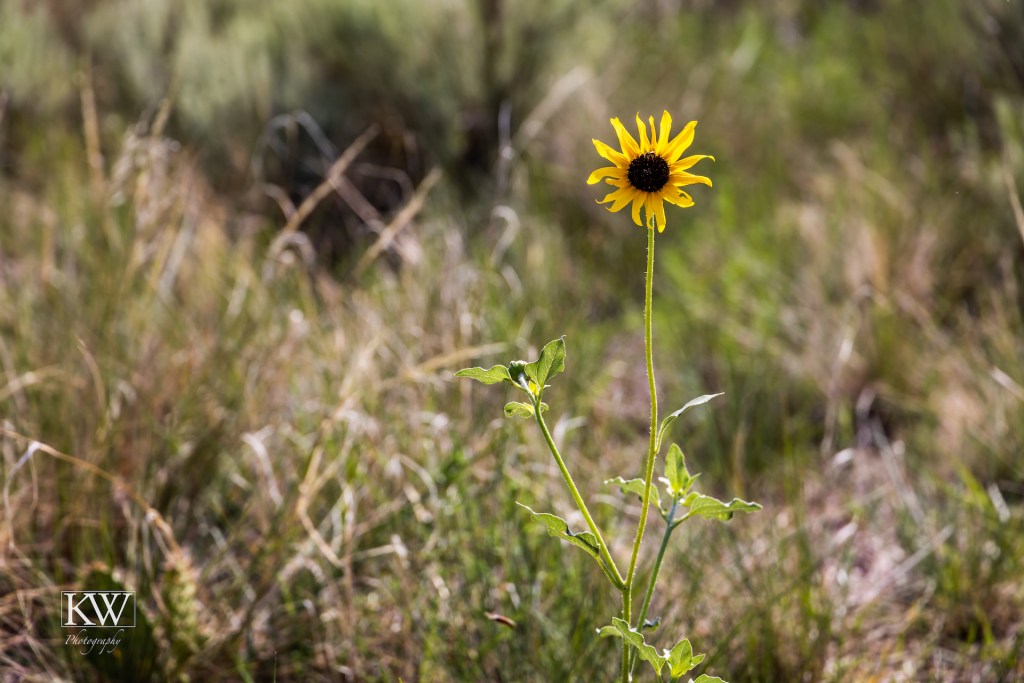
In March of 2022, Amache became a National Historic Site. Hopefully with this new act and dedicated volunteers the full history of Amache can be made available to more people. One of my favorite stories about Amache is the story of a rose bush that was found at the site by Bonnie Clark, an archaeologist with the University of Denver, nearly 80 years after Amache closed. In May of 2022 it put forth a tiny pink bloom. Cuttings of the rose bush were sent to an Amache survivor, Tanagoshi Tinker, and I love her quotes:
“I knew that they [the roses] were representative of people who had been [at Camp Amache], who had brought them and had propagated them. Gosh, they were showing survivorship just like we were.”
“I love this idea of plants as living witnesses to the past. They’re witness roses,” she said. “They were there. They have been there and they remain to this day to tell that story of someone’s hope, of someone’s skill, of someone’s determination.” – From CPR News
Take note of history, document it, and save it for future generations to learn from. Safe travels.
See my full write up here.
Thank you KW Photography for allowing me to use your wonderful photos!

INSTAGRAM│TWITTER│YOUTUBE │PATREON
If you like the banner check out this design and others at Canva!


 McGee Travel Tales